
CATARACT SURGERY IN THANE
Clearer vision
starts with the
right care.
Explore cataract assessment, lens options and your next steps with Dr. Gadgil Eye Hospital.
Request an appointment
Our team will confirm availability.
Privacy Policy
COMMON SYMPTOMS
When everyday vision becomes difficult
Blurred vision
Objects may look cloudy or less clear.
Glare at night
Bright lights or headlights may become uncomfortable.
Difficulty reading
Changes in vision may affect activities you enjoy.
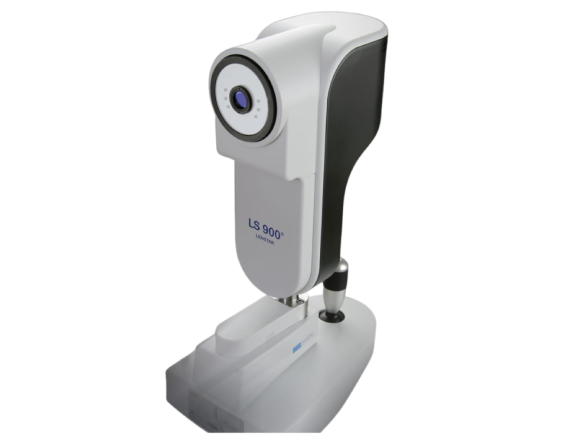
OUR APPROACH
A plan built around your eyes
Eye examination
Discuss changes in your vision and bring your glasses, earlier reports and medicine list.
Lens discussion
Measurements, eye health and your daily visual needs help guide lens selection.
Planning your care
Ask about the proposed procedure, preparation, written estimate and follow-up visits.
LENS OPTIONS
Understanding your lens options
Cataract surgery replaces the cloudy natural lens with an artificial lens. Your surgeon will discuss which type may suit your eyes.
Monofocal
Focuses at one main distance. Glasses are generally needed for other distances.
Toric
Helps correct astigmatism when appropriate. Toric correction can be combined with different lens designs.
Extended depth of focus
Offers a broader focusing range, commonly for distance and intermediate tasks. Reading glasses may still be needed.
Multifocal / trifocal
Designed for more than one viewing distance. Discuss suitability and possible glare or halos.
Images are illustrative. These are general lens categories, not a guarantee of availability or freedom from glasses. Confirm the proposed model, benefits and trade-offs with your surgeon. Further reading: Moorfields lens guide.
YOUR SURGEON
Meet Dr. Uday Gadgil
Medical Director & Consulting Ophthalmic Surgeon
Discuss your symptoms, treatment options and expectations during your consultation.
AFTER YOUR SURGERY
Care continues
after surgery
Your team will guide you on eye care, medicines and follow-up. Healing and visual improvement vary.
Follow prescribed eye drops
Use drops as advised by your surgeon.
Attend scheduled reviews
Follow-up visits help monitor healing.
Follow your surgeon’s advice
Ask when to resume your usual activities.
FREQUENTLY ASKED QUESTIONS
Your questions, answered
When should I consider surgery?
The timing depends on your examination and how vision affects daily life. Discuss the benefits of proceeding and the implications of waiting with your doctor.
Will I still need glasses?
You may still need glasses after surgery. Lens choice, eye health and your visual needs affect the expected result.
Can I use cashless insurance?
Eligibility depends on your policy and authorisation. Please contact our cashless assistance team before planning treatment.
How much does cataract surgery cost?
Please request an individual written estimate after assessment. The lens, procedure and follow-up requirements can affect the cost.
What happens during surgery?
The cloudy lens is removed and replaced with an intraocular lens. Phacoemulsification uses ultrasound to help break up the lens. Your surgeon will explain the proposed approach and anaesthesia.
How should I prepare?
Tell the team about your medicines, allergies, diabetes and earlier eye operations. Follow your own instructions for medicines, food, drink and drops. Arrange transport home.
Can cloudy vision return?
The removed cataract does not grow back. The capsule behind the replacement lens can become cloudy later, known as posterior capsule opacification. An examination is needed to establish the cause; laser treatment may help when appropriate.
What should my estimate include?
Ask whether the estimate includes the lens, investigations, surgery, medicines and follow-up. Confirm insurance authorisation and any patient contribution before treatment.
What should I know about recovery and risks?
Follow your surgeon’s instructions on drops, eye protection and resuming activities. Arrange transport after surgery. Healing and visual improvement vary, and glasses may still be needed.
Risks include infection, swelling, pressure changes, retinal detachment and loss of vision. The surgeon will discuss your individual risks and expected benefit.
After surgery, urgently contact your doctor for severe pain, worsening vision, marked redness, new flashes or a sudden increase in floaters.
This information supports a consultation and does not replace personalised advice. Further reading: NHS cataract surgery.
What our patients say





Let’s plan your visit
Talk to our team about cataract assessment,
lens options and your next steps.